Unlock Flavorful Meals: Your Expert Guide on How to Freeze Soup for Perfect Reheating
Imagine a chilly evening when you're short on time, but a comforting, homemade meal is just minutes away. That's the magic of mastering how to freeze soup. Far more than just a leftover solution, freezing soup is a culinary superpower that transforms a single cooking session into a treasure trove of future meals. It's a gift you give your future self, ensuring nourishing, delicious food is always within reach, even on the busiest days.
This comprehensive guide will walk you through every step of the process, from choosing the right soups to expert freezing techniques and, crucially, how to reheat them without losing a speck of their original flavor and texture. Get ready to embrace the ultimate meal prep hack and stock your freezer with homemade goodness that tastes as incredible reheated as it did fresh off the stove.
Why Freezing Soup Is a Culinary Game-Changer
Freezing soup isn't just about convenience; it's a smart, sustainable approach to home cooking. It's a practice deeply rooted in many culinary traditions, including French home cooking, where making a large pot of soup is an intentional act designed to provide multiple meals. This approach allows you to:
- Save Time on Weeknights: Say goodbye to last-minute cooking stress. A frozen, ready-to-heat soup means dinner is practically done.
- Reduce Food Waste: Extend the life of seasonal ingredients or use up those lingering vegetables before they spoil. Soup is incredibly versatile for minimizing waste.
- Always Have a Nourishing Meal Ready: Whether it's a quick lunch or a comforting dinner, a freezer stocked with soup ensures you're never far from a healthy, satisfying meal.
- Preserve Seasonal Flavors: Capture the essence of peak-season vegetables or herbs by incorporating them into soups you can enjoy months later.
- Build a Freezer Stocked with Real Food: Ditch the processed convenience foods for genuinely homemade, wholesome options.
The beauty of soup is its remarkable ability to adapt to freezing. With the right techniques, you can ensure that the effort you put in today pays dividends in deliciousness tomorrow. For more insights into this efficient culinary approach, explore Save Time & Reduce Waste: The French Secret to Freezing Soup.
Which Soups Freeze Best: A Flavor-Saving Guide
While most soups are freezer-friendly, some excel in the frozen environment. Understanding your soup's structure is key to predicting its post-thaw performance.
Broth-Based Soups
These are the champions of the freezer. Their simple, liquid base holds up incredibly well, retaining both flavor and texture upon reheating.
- Examples: Chicken soup, vegetable soup, lentil soup, French onion soup (without the cheese and crouton topping, which should be added fresh upon serving).
- Expert Tip: Freezing homemade chicken or vegetable broth separately is also an excellent strategy. It provides a quick base for future soups, stews, or risottos.
Pureed Soups
Smooth, velvety pureed soups also shine after freezing. Their uniform texture resists changes, making them consistently delicious.
- Examples: Pumpkin soup, leek soup, cauliflower soup, butternut squash soup, cream of mushroom soup (before adding cream).
- Expert Tip: If your pureed soup is finished with dairy like cream, milk, or yogurt, it's generally best to omit the dairy before freezing. Stir it in after the soup has been thawed and reheated to prevent separation or a grainy texture.
Soups with Beans or Legumes
Soups rich in lentils, chickpeas, or various beans freeze wonderfully. The legumes maintain their integrity, and often, the flavors in these soups deepen and meld beautifully over time.
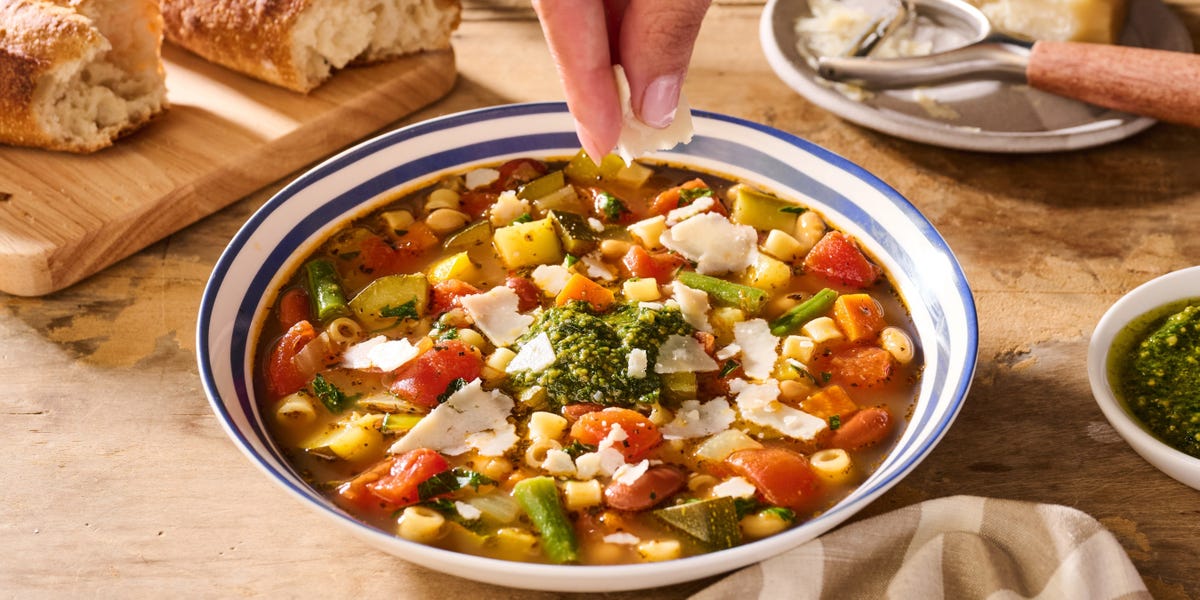
- Examples: French lentil soup, minestrone, Tuscan bean and kale soup, black bean soup.
- Consideration: The texture of the beans might soften slightly, but this rarely detracts from the overall enjoyment.
Soups with Pasta or Rice
These soups require a bit more finesse. Pasta and rice continue to absorb liquid and can become mushy or overly soft after freezing and reheating.
- Recommended Approach: If possible, cook the pasta or rice separately and add it to the soup just before serving. This ensures perfect texture every time.
- Alternative: If you must freeze soup with pasta or rice, significantly undercook the grains before adding them to the soup. They will absorb more liquid during thawing and reheating, hopefully reaching a desirable al dente texture.
Soups That Don't Freeze As Well
While most soups are good candidates, a few types are best enjoyed fresh:
- Soups with Heavy Dairy Already Mixed In: Aside from pureed soups where cream is added post-reheat, soups with a large quantity of milk or cream (like some chowders or bisque) can sometimes curdle, separate, or become grainy when frozen and thawed.
- Soups with Delicate Herbs or Fresh Greens: While you can freeze these, delicate fresh herbs like cilantro or parsley can lose their vibrant flavor and color. It's best to stir in fresh herbs after reheating.
- Soups with Fried or Crispy Toppings: Croutons, fried onions, or tortilla strips should always be added fresh when serving.
The Art of Freezing Soup: Step-by-Step for Success
The secret to great frozen soup lies in the preparation before it even hits the freezer.
Step 1: Cool It Down Safely and Quickly
This is arguably the most critical step for both food safety and maintaining quality. Rapid cooling prevents bacterial growth and helps preserve flavor and texture.
- Method 1 (Ice Bath): Place the pot of hot soup into a larger basin filled with ice and cold water. Stir the soup frequently to help it cool faster.
- Method 2 (Divide and Conquer): Transfer the soup into several smaller, shallow containers. This increases the surface area, allowing it to cool more quickly.
- Rule of Thumb: Soup should cool from 135°F (57°C) to 70°F (21°C) within two hours, and then to 41°F (5°C) or below within an additional four hours. Ensure it is completely chilled before freezing.
Step 2: Choose the Right Containers
Selecting appropriate, freezer-safe containers is vital to prevent freezer burn and make storage efficient.
- Freezer-Safe Bags: Heavy-duty freezer bags are excellent. Ladle cooled soup into bags, press out air, and lay them flat on a baking sheet to freeze. Once solid, they can be stacked vertically, saving significant space.
- Rigid Plastic or Glass Containers: Choose containers specifically labeled "freezer-safe." For glass, use tempered glass designed for freezing, as regular glass can crack due to expansion.
- Mason Jars: A popular choice for single servings. Opt for wide-mouth, straight-sided jars. The most crucial tip when freezing in mason jars (or any rigid container): leave ample headspace! Liquids expand as they freeze, and overfilled jars will crack. Leave at least an inch, preferably two, from the top.
- Muffin Tins or Ice Cube Trays: For very small portions, like broth for sauces or baby food, freeze soup in muffin tins or ice cube trays. Once solid, pop out the frozen pucks and transfer them to a freezer bag.
Step 3: Label and Date Everything
Don't underestimate the power of a good label! Use freezer tape or labels and a permanent marker to clearly indicate:
- The type of soup (e.g., "Chicken Noodle Soup")
- The date it was frozen
Properly stored soup can maintain peak quality for up to 3 months. For detailed guidelines on safe storage, check out Freeze Soup Safely: Keep Flavor for Up to Three Months.
Reheating Your Frozen Soup: Bringing Back the Flavor
The goal is always to restore that freshly made taste and texture. Gentle thawing and careful reheating are key.
Thawing Methods
- Refrigerator Thaw (Recommended): The safest and most gentle method. Transfer your frozen soup from the freezer to the refrigerator 24-48 hours before you plan to reheat it.
- Cold Water Bath (Quicker): For soup frozen in bags, place the sealed bag in a bowl of cold water. Change the water every 30 minutes until the soup is mostly thawed.
- Direct From Frozen: Many broth-based or pureed soups can be reheated directly from frozen, especially if in smaller portions. This requires a bit more attention.
Reheating Methods
- Stovetop (Best for Most Soups): Transfer thawed or partially thawed soup to a saucepan. Heat gently over medium-low heat, stirring frequently to prevent scorching, until simmering and heated through. Add a splash of broth or water if it's too thick.
- Microwave: For individual portions, transfer soup to a microwave-safe bowl. Heat in short intervals, stirring well between each to ensure even heating.
Restoring Texture and Flavor
Once reheated, your soup might need a little love to bring it back to its prime:
- Adjust Seasoning: Tastes can mellow in the freezer. Taste and adjust with a pinch of salt, freshly ground black pepper, or a squeeze of lemon juice to brighten flavors.
- Add Fresh Elements: If you held back cream, pasta, rice, or delicate fresh herbs, this is the time to add them. A swirl of good olive oil or a sprinkle of Parmesan cheese can also elevate the flavor.
- Texture Check: If the soup is too thick, thin it with a little water or broth. If it's too thin, let it simmer gently to reduce and thicken slightly.
Conclusion
Learning how to freeze soup is a culinary skill that truly pays dividends. It transforms your kitchen into an efficient, waste-reducing powerhouse, always ready to deliver a comforting, homemade meal. By following these expert tips—from selecting the right soups and safely cooling them, to choosing smart storage and perfectly reheating—you can ensure every spoonful is as delicious and nourishing as the day it was made. So, the next time you're simmering a pot of your favorite soup, think ahead. Make extra, freeze it smart, and enjoy the effortless luxury of flavorful, ready-to-eat meals whenever hunger strikes.
