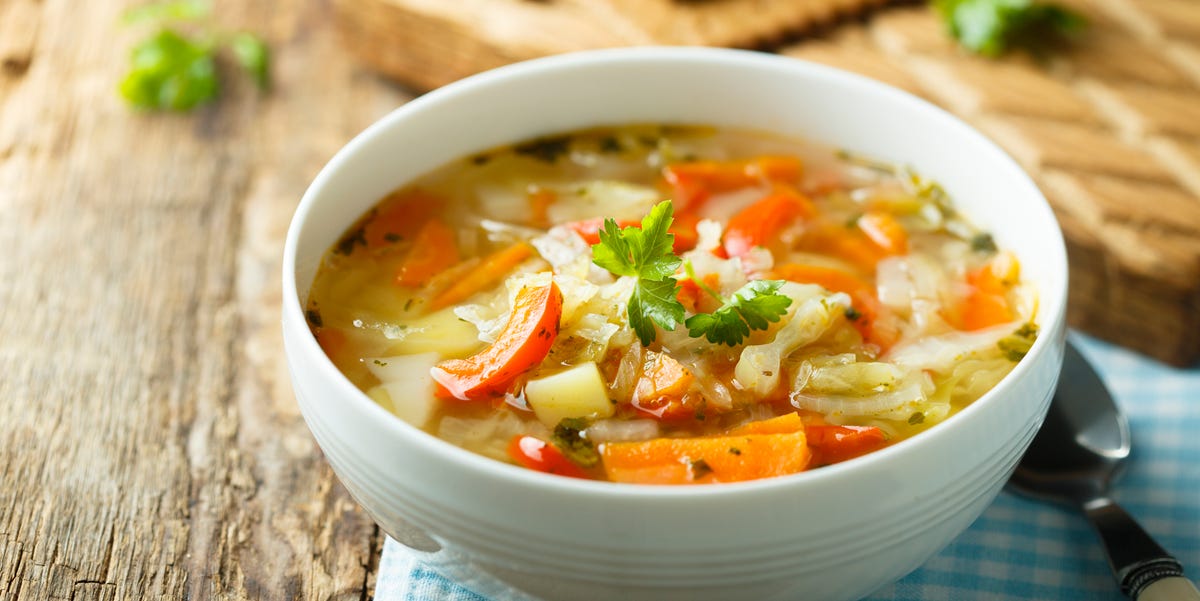
Unlock the French Secret: Mastering the Art of Freezing Soup for Time-Saving Meals
Imagine this: A chilly evening, you’re tired, hungry, and the thought of cooking from scratch feels monumental. Then, a smile spreads across your face as you remember the comforting, homemade soup waiting patiently in your freezer. This isn't just a fantasy; it's the everyday reality for home cooks who have mastered the simple, yet transformative, skill of freezing soup. Often considered a cornerstone of French home cooking, freezing soup is less a chore and more a thoughtful gesture – a gift you prepare for your future self, ensuring nourishing meals are always within reach.
Learning how to freeze soup properly is one of the most impactful habits you can cultivate in your kitchen. It transforms a single pot of simmering goodness into a strategic reserve of deliciousness, effortlessly reducing food waste, saving precious time on busy weeknights, and keeping your fridge stocked with real, wholesome food. This comprehensive guide will walk you through everything you need to know, from identifying the best soups for freezing to smart storage solutions and expert reheating techniques, so your frozen creations taste just as vibrant as the day they were made.
Why Freezing Soup is a Culinary Game-Changer (A French Home Cooking Secret)
In France, where food is deeply cherished and waste is minimal, soup is rarely made in small quantities. A large pot isn't just for dinner tonight; it's an intentional act, providing for multiple meals and making home cooking feel effortless even amidst the busiest schedules. This philosophy underscores the genius of freezing soup, offering a multitude of benefits that extend far beyond simple convenience:
- Save Time on Weeknights: Say goodbye to last-minute meal scrambling. A well-stocked freezer means a nutritious dinner is just a thaw and reheat away, freeing up your evenings for relaxation or family time.
- Reduce Food Waste: Freezing soup is an excellent way to utilize leftover vegetables, stocks, or even small portions of cooked protein before they spoil. It ensures that every ingredient finds its purpose, aligning perfectly with sustainable kitchen practices.
- Always Have a Nourishing Meal Ready: Whether you're feeling under the weather, hosting unexpected guests, or simply craving comfort, a ready-to-heat bowl of homemade soup is a lifesaver.
- Preserve Seasonal Ingredients: Did you get a bounty of tomatoes or squash from the farmer's market? Transform them into a delicious soup and freeze it, capturing the essence of the season to enjoy months later.
- Build a Freezer Stocked with Real Food: Ditch the processed convenience foods. Freezing homemade soup empowers you to create a freezer pantry filled with wholesome, flavorful meals made with ingredients you trust.
Understanding Which Soups Freeze Best
While most soups are freezer-friendly, some fare better than others. The key to successful freezing lies in understanding the structural components of your soup. With a few simple considerations, you can ensure optimal texture and flavor upon reheating.
Broth-Based Soups: The Freezer Champions
These are the undisputed kings of the freezer. Their stable composition ensures that flavors remain intact and textures hold up exceptionally well after thawing. Examples include:
- Classic Chicken Noodle Soup (with a caveat on noodles)
- Hearty Vegetable Soup
- French Onion Soup (without the cheesy crouton, which should be added fresh)
- Lentil Soup: French lentil soup, in particular, becomes even more flavorful with time in the freezer.
- Minestrone (again, consider pasta separately)
Many traditional French soup recipes, built on rich homemade broths, fall into this category. Freezing homemade chicken or vegetable broth separately is also an incredibly smart move, providing an instant foundation for future soups.
Pureed Soups: Smooth Success
Pureed soups also freeze beautifully, maintaining their smooth, creamy texture once thawed and reheated. Think:
- Magical Leek Soup (Potage de Poireaux)
- Pumpkin or Butternut Squash Soup
- Creamy Tomato Soup (without the cream added initially)
- Broccoli or Cauliflower Soup
A Crucial Tip for Creamy Soups: If your pureed soup is finished with dairy (cream, milk, or yogurt), it's generally best to freeze the soup *before* adding the dairy. Dairy fats can sometimes separate or become grainy when frozen and thawed. Stir in the cream or a swirl of crème fraîche after reheating for the best, silkiest results. For soups that absolutely rely on a creamy base before freezing, using full-fat dairy or even cream cheese can offer better stability, but a fresh addition is always superior.
Soups with Beans or Legumes: Flavor Boosters
Soups featuring lentils, chickpeas, or various beans are excellent candidates for freezing. While the legumes might soften slightly during the freezing and thawing process, the overall flavor profile often deepens and improves, making them even more delicious. Soupe au Pistou or a hearty Tuscan bean and kale soup are perfect examples.
Soups with Pasta or Rice: Handle with Care
Soups containing pasta or rice can be frozen, but they require a bit more attention. Pasta and rice continuously absorb liquid, which can lead to a mushy, overcooked texture upon reheating. To avoid this:
- Slightly Undercook the Grains: If you must freeze them together, cook the pasta or rice until it's just al dente, or even a minute or two less than that.
- Add Fresh When Reheating (Recommended!): The absolute best method is to freeze the soup base without the pasta or rice. Cook fresh pasta or rice separately and add it to individual bowls of reheated soup. This ensures perfect texture every time.
Soups That Are Tricky (or Best Avoided) for Freezing
- Dairy-Heavy Soups: As mentioned, soups where dairy is a primary ingredient (e.g., potato leek soup with heavy cream incorporated throughout) can separate. If you do freeze them, expect some textural changes and be prepared to whisk vigorously or even blend after reheating.
- Soups with Delicate Leafy Greens: Fresh spinach or kale added to a soup can become very soggy and discolored after freezing. It's best to stir in fresh greens just before serving.
- Soups with Potatoes: While not impossible, potatoes can sometimes become mealy or grainy when frozen and thawed, particularly if they are high-starch varieties. If you love potatoes in your soup, consider mashing them directly into the soup for a creamier texture, or opt for waxy potato varieties which hold their shape better.
- Soups with Fresh Garnishes: Items like fresh herbs, croutons, or cheese should always be added after reheating for optimal freshness and texture.
The Art of Freezing: Safe Cooling and Smart Storage
Proper preparation is paramount to ensuring your frozen soup maintains its quality and is safe to consume. This involves rapid cooling and selecting the right containers.
Safe Cooling: A Critical Step
To prevent bacterial growth, it's crucial to cool your soup as quickly as possible before freezing. Never put hot soup directly into the freezer, as this can raise the temperature of other frozen items and affect their safety.
- Shallow Containers: Divide large batches of hot soup into several shallow containers to maximize surface area and accelerate cooling.
- Ice Bath: For even faster cooling, place your soup pots or containers into a larger basin filled with ice water, stirring occasionally until the soup reaches room temperature.
- Refrigerate Promptly: Once cooled, transfer the soup to the refrigerator for an hour or two until it's completely chilled before moving it to the freezer. This whole process should ideally take no more than two hours from stove to fridge.
The Best Containers for Freezing Soup
Choosing the right containers not only protects your soup but also helps maximize freezer space. Remember to always leave about an inch of headspace in any container, as liquids expand when frozen.
- Freezer-Safe Plastic Containers: These are durable, stackable, and readily available. Ensure they are clearly labeled as "freezer-safe."
- Glass Jars (Mason Jar Method): Straight-sided glass jars, like wide-mouth Mason jars, are excellent for freezing individual portions. Always ensure they are freezer-safe, and again, leave ample headspace to prevent cracking.
- Freezer Bags: Heavy-duty freezer bags are fantastic for space-saving. Fill them, seal most of the way (leaving a small gap), lay them flat on a baking sheet to freeze, then stack them like frozen tiles. Once frozen solid, remove any air and seal completely.
- Silicone Molds: For smaller portions or quick additions to dishes, freeze soup in silicone muffin molds or ice cube trays. Once frozen, pop out the cubes and store them in a freezer bag.
Always label your containers with the soup type and date. Properly stored, most soups can be kept in the freezer for up to three months without significant loss of quality. For detailed insights on maintaining food safety and quality, explore resources like Freeze Soup Safely: Keep Flavor for Up to Three Months.
Reheating Frozen Soup Like a Chef
Bringing your frozen soup back to life is an art in itself. With a few expert tips, you can restore its original texture and vibrancy.
- Thawing First: The safest and most recommended method is to thaw frozen soup in the refrigerator overnight. For quicker thawing, you can place the sealed container or bag under cold running water or use the defrost setting on your microwave.
- Stovetop Reheating: Transfer the thawed or partially thawed soup to a saucepan over medium-low heat. Stir occasionally, gently bringing it to a simmer. Avoid high heat, which can scorch the bottom.
- Microwave Reheating: For individual portions, microwave in a covered, microwave-safe bowl, stirring every few minutes until heated through.
Restoring Texture and Flavor: Once reheated, it's time for the final touches:
- Adjust Consistency: If the soup has thickened too much, add a splash of water, vegetable broth, or chicken broth until it reaches your desired consistency.
- Re-season: Freezing can subtly mute flavors. Taste the soup and adjust seasonings – a pinch of salt, a grind of fresh pepper, or a squeeze of lemon juice can work wonders to brighten flavors.
- Add Freshness: This is where the magic happens. Stir in a swirl of fresh cream or yogurt, a handful of fresh herbs (parsley, chives, cilantro), a grating of cheese, or a dash of hot sauce. If you froze pasta or rice separately, now's the time to add it.
For more advanced techniques and troubleshooting tips to ensure your reheated soup is always delicious, dive into How to Freeze Soup: Expert Tips for Flavorful Reheating.
Embrace the Freezer: Your Passport to Effortless, Nourishing Meals
Mastering how to freeze soup is truly one of the simplest yet most effective culinary skills you can acquire. It’s an embrace of practicality, a commitment to reducing waste, and a savvy strategy for ensuring that wholesome, delicious meals are always within reach. By adopting this "French secret" of cooking ahead and utilizing your freezer, you're not just storing food; you're investing in convenience, flavor, and the comforting promise of a nourishing meal, whenever you need it most. So, next time you're stirring a pot of soup, remember: you're not just making dinner for tonight, you're preparing a series of delicious gifts for your future self.
